Guide’s PlayhouseMusic · Listening room

Guide’s Listening Rooms

Jazz Room. Find your next session.

Jazz is where the Playhouse began. The room follows the way people actually listen to it — by artist, by style, by session — and adds a daily mix for when you just want to press play.

Four ways in

Artists and styles

Subgenres come from your saved genre tags, so the room reflects your collection rather than a generic catalogue. Albums without a genre can be reviewed and classified.

Smart sets

Ready-made jazz sets: Unplayed Jazz, On Repeat, Verified Hi-Res Jazz, Live in the Title, Trio in the Credits, 10+ Track Albums, Small Tracklists and Explore All Jazz.

Jazz Me Now!™

Choose your session, then Play Now. A daily jazz mix that reshuffles at 06:00 Bangkok time, drawn only from tracks your account can play.

Moods

Curated listening suggestions — chosen by people, not by automatic mood analysis.

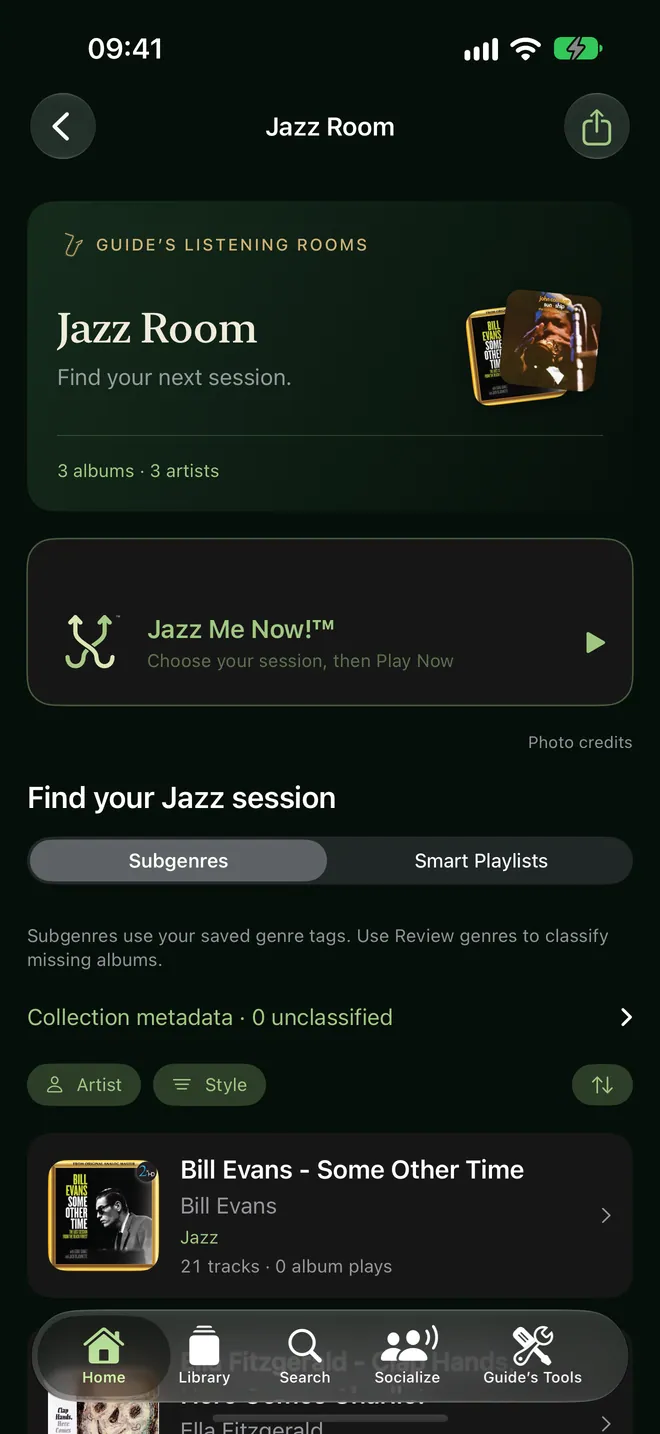
Jazz Room on iPhone: Jazz Me Now!™, the Subgenres and Smart Playlists switch, and Bill Evans – Some Other Time
Simulator capture with a six-album fixture library, so counts are small.

Listening notes

Why a record is worth your time. Each note keeps three things apart: sourced facts, what named listeners have said in public forums, and our own suggestions for what to listen for. Disagreement is welcome.

These notes are written for this website. Editorial notes inside the app are under development and not yet available.

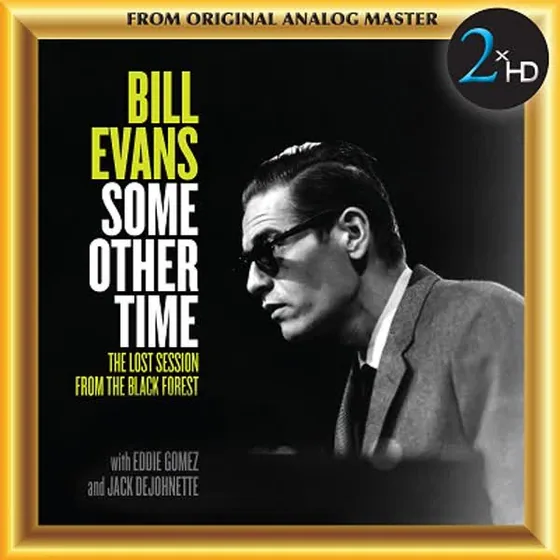
Bill Evans — Some Other Time: The Lost Session from the Black Forest (album cover)
30-second preview · Bill Evans · You Go To My Head

Bill Evans

Some Other Time: The Lost Session from the Black Forest

Guide’s Playhouse suggests

Listen to the bass as a second voice. Gomez often answers Evans in the same register instead of walking underneath him — notice where Evans thins out his left hand to leave that room. Then listen for the drums: some listeners find DeJohnette too far back in this mix, and hearing it for yourself is part of the fun.

Facts

Bill Evans (piano), Eddie Gomez (bass), Jack DeJohnette (drums).

Recorded 20 June 1968 at the MPS studio in Villingen, in Germany’s Black Forest — five days after the trio’s Montreux concert — and left unreleased until Resonance Records issued it in 2016.

The only studio recording of this trio.

Sources: resonancerecords.org · downbeat.com

Listeners are discussing…

  • Owns both DeJohnette-era Resonance releases, but finds DeJohnette mixed so low on Some Other Time that he is close to inaudible for much of the record.

    — Dub Modal, Organissimo, 2020-07-24 · “Further thoughts on the Resonance Bill Evans titles”

  • Sceptical of many posthumous Evans releases, but makes an exception for Resonance’s documentation of the trio with DeJohnette, hearing a distinct group sound that pushed Evans. (About the trio’s Resonance releases in general, not only this album.)

    — John L, Organissimo, 2025-05-05 · “Bill Evans issues on Resonance & Elemental”

Opinions of named forum members, summarised by us; follow the link to read them in context. Forum members are listeners — we don’t claim they are professional musicians.
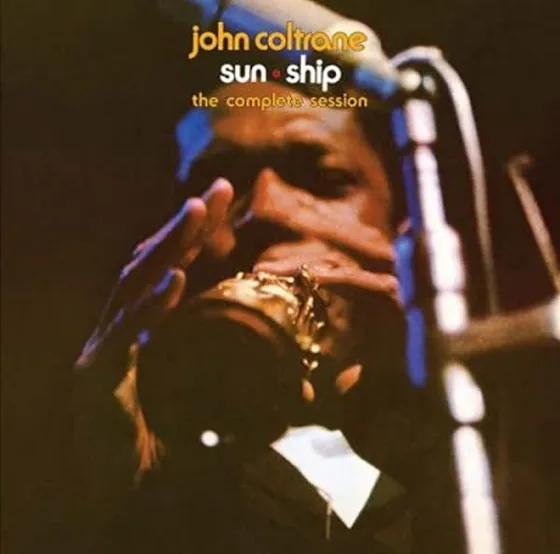
John Coltrane — Sun Ship: The Complete Session (album cover)
30-second preview · John Coltrane · Amen (Take 2, released version)

John Coltrane

Sun Ship: The Complete Session

Guide’s Playhouse suggests

This is the classic quartet late in its life, pushing hard. Follow Elvin Jones rather than the saxophone for one pass: the cymbal beat stays dense while the time feel moves underneath. On “Amen”, notice how the theme is stated and then broken open — and compare the released take with the alternates the complete session adds.

Facts

John Coltrane (tenor saxophone), McCoy Tyner (piano), Jimmy Garrison (bass), Elvin Jones (drums).

Recorded 26 August 1965 at RCA Victor’s studio in New York — one of the few classic-quartet albums not engineered by Rudy Van Gelder. Released by Impulse! in 1971, after Coltrane’s death.

The Complete Session (2013) presents the four other pieces unedited plus alternate takes of all five; “Amen” Take 2 is the released version.

Sources: en.wikipedia.org

Listeners are discussing…

We did not find a public forum discussion of this recording that we could read in full, so none is quoted.

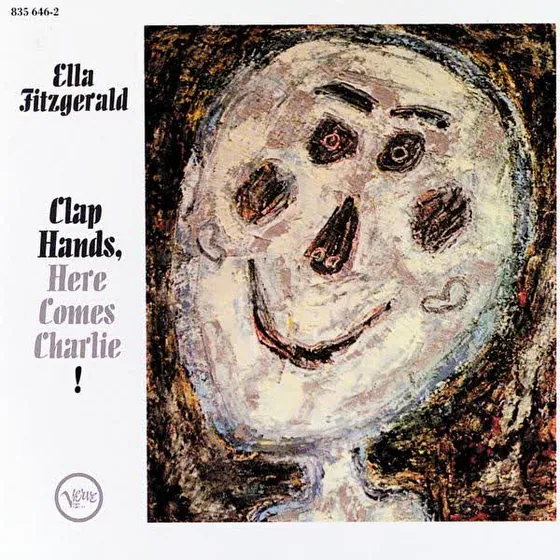
Ella Fitzgerald — Clap Hands, Here Comes Charlie! (album cover)
30-second preview · Ella Fitzgerald · Cry Me A River

Ella Fitzgerald

Clap Hands, Here Comes Charlie!

Guide’s Playhouse suggests

A small band, so every choice is audible. On “Cry Me a River”, listen to where Ella places the words against the beat — slightly behind, then right on it — and to how piano and guitar share the accompaniment instead of doubling each other.

Facts

Ella Fitzgerald (vocals), Lou Levy (piano), Herb Ellis (guitar), Joe Mondragon (bass), Gus Johnson (drums); Wilfred Middlebrooks plays bass on the CD bonus tracks.

Main session recorded 22–23 June 1961 in Los Angeles; produced by Norman Granz; released by Verve in 1961.

Sources: en.wikipedia.org

Listeners are discussing…

We did not find a public forum discussion of this recording that we could read in full, so none is quoted.

Michael Brecker — Nearness of You: The Ballad Book: Continue Playing card in the Mac app
Seen in the owner’s real library on the Mac development build.

Michael Brecker

Nearness of You: The Ballad Book

Guide’s Playhouse suggests

A tenor player famous for velocity, choosing ballads. Listen to how much he leaves out: long tones, the shape of each phrase ending, and how the rhythm section keeps the slow tempos from sagging.

Facts

Michael Brecker (tenor saxophone), Herbie Hancock (piano), Pat Metheny (guitars), Charlie Haden (bass), Jack DeJohnette (drums); James Taylor sings on two tracks.

Recorded 18–20 December 2000 in New York; produced by Pat Metheny; released by Verve in 2001. “Sometimes I See” is a Metheny composition.

Brecker won the Grammy for Best Jazz Instrumental Solo for “Chan’s Song” from this album.

Sources: en.wikipedia.org

Listeners are discussing…

We did not find a public forum discussion of this recording that we could read in full, so none is quoted.

A room that refreshes itself every morning

Live

The Playhouse server prepares the rooms between 05:00 and 05:50 and publishes at 06:00, Bangkok time. A category only appears when it has at least ten distinct tracks your account is allowed to play — sparse categories are hidden rather than padded.

Under validation

A consolidated daily engine — with related-performance topics and evidence-based editorial notes — is being validated on the server and is not yet published.

Classical has its own room, built around works and performances. Enter the Classical Room
